
Planning Server Decommissioning and Media Sanitization
How to plan migration, rollback, media sanitization, verification, custody, and hardware disposition as separate customer-approved steps.
- Published
- Filed under
- field note
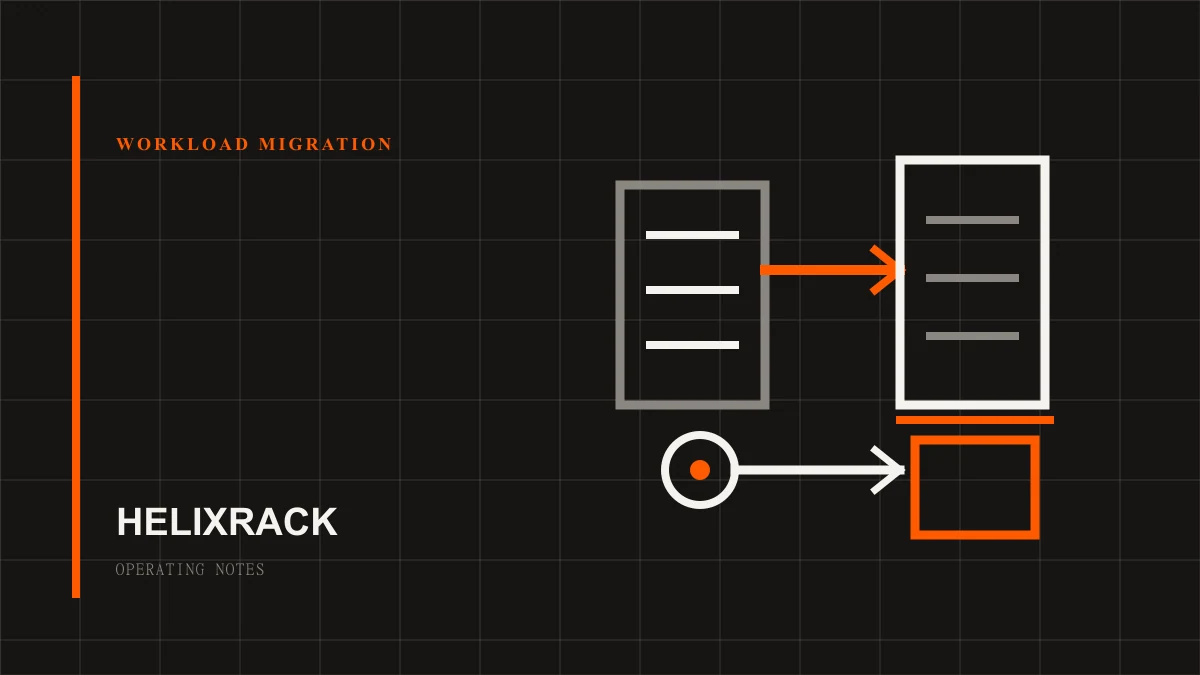
Migrating a workload, closing its rollback window, sanitizing its media, and deciding where the old machine goes are separate approvals. We treat each approval as its own handoff.
Treating them as separate steps protects the customer from losing the recovery path too early and protects the next owner from receiving media that was not handled deliberately.
Preserve recovery before retirement
The migration plan should identify the systems and storage involved, the backup and restore test, the cutover owner, the acceptance checks, and the point at which rollback will no longer be available.
Do not begin media sanitization merely because the replacement server is online. First confirm that the new system is serving the intended workload, the customer has accepted the cutover, and the agreed rollback period has ended.
Match the method to the media
As of June 2026, NIST SP 800-88 Rev. 2 is the current federal guidance for media sanitization. A decommissioning plan should use current guidance and select a method appropriate to the media, information sensitivity, device condition, and intended destination.
A supported work order identifies the data-bearing component, authorized method, operator, verification step, exception path, and final disposition. A successful command is not enough if it ran against the wrong device or produced an error that no one reviewed.
Ownership controls disposition
The customer decides whether owned hardware is returned, retained, transferred, recycled, or destroyed. Helixrack does not sell, transfer, destroy, or dispose of customer property without explicit written authorization covering that action.
If Helixrack is asked to perform physical media work, the scope, method, timing, charge, custody record, and completion evidence must be agreed before work begins. Some media or methods may need to be handled by a qualified third party instead.
For a replacement, removal, or media-handling request, email [email protected] before scheduling the work. Do not send credentials or storage contents in an ordinary email request.
Sources
- NIST SP 800-88 Rev. 2: Guidelines for Media Sanitization September 26, 2025